
Biochar
Turning Waste into Climate Wealth
At Sajeevan Life, we are harnessing the power of biochar as a triple-impact solution
The Soil
Regenerates and restores soil health
The Climate
Permanently stores carbon
The Farmer
Creates additional income opportunities
What is Biochar?
Biochar is a carbon-rich, charcoal-like substance produced by heating organic biomass in a low-oxygen environment (like crop residue, farm biomass, or agro-waste) in a low-oxygen environment. This process, called pyrolysis, stabilizes the carbon and prevents it from returning to the atmosphere as CO₂.
Our Key Objectives:
- Convert agricultural waste into biochar instead of open burning.
- Reduce fertilizer dependency (subject to soil conditions).
- Improve water retention by 20–30%, depending on soil type.
- Help increase carbon sequestration through biochar application.
- Enable carbon credit generation and extra income for farmers
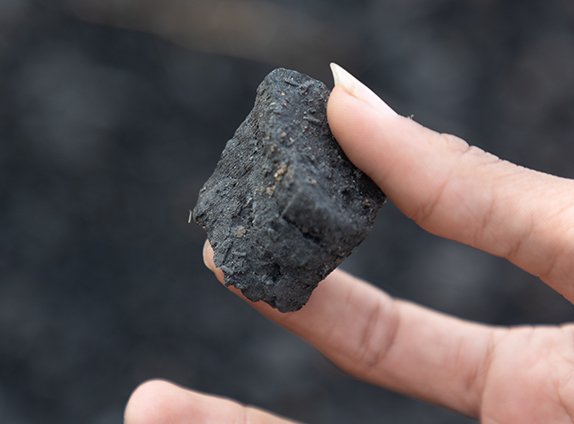
Impact So Far: (As of July 2025)
800+
Tonnes of agricultural waste converted into biochar
23,000+
Farmers trained in biochar production and use
7,500+
Acres of land improved with biochar soil integration
21,000
Tonnes of CO₂ emissions mitigated
From Farm to Future: How We Work
Train & Educate
We conduct village-level workshops on biochar production using simple, low-cost Kon-Tiki kilns.
Support Carbon Credit Certification
We assist in documentation, verification, and linkage to buyers.
Scale Collaboratively
Partner with local self-help groups (SHGs), Farmer Producer Organizations (FPOs), and industry partners to scale adoption
Babool (Prosopis juliflora) to Biochar
Clearing Invasives. Creating Value.
At Sajeevan Life, we turn challenges into climate solutions. One such challenge is Prosopis Juliflora, locally known as Babool—an invasive species rapidly spreading across India’s arid and semi-arid regions, damaging local biodiversity, depleting groundwater, and reducing usable farmland.
But we see an opportunity
Instead of letting this invasive tree go to waste—or worse, harming the ecosystem—we convert harvested Babool biomass into high-quality biochar through controlled pyrolysis process. This process:
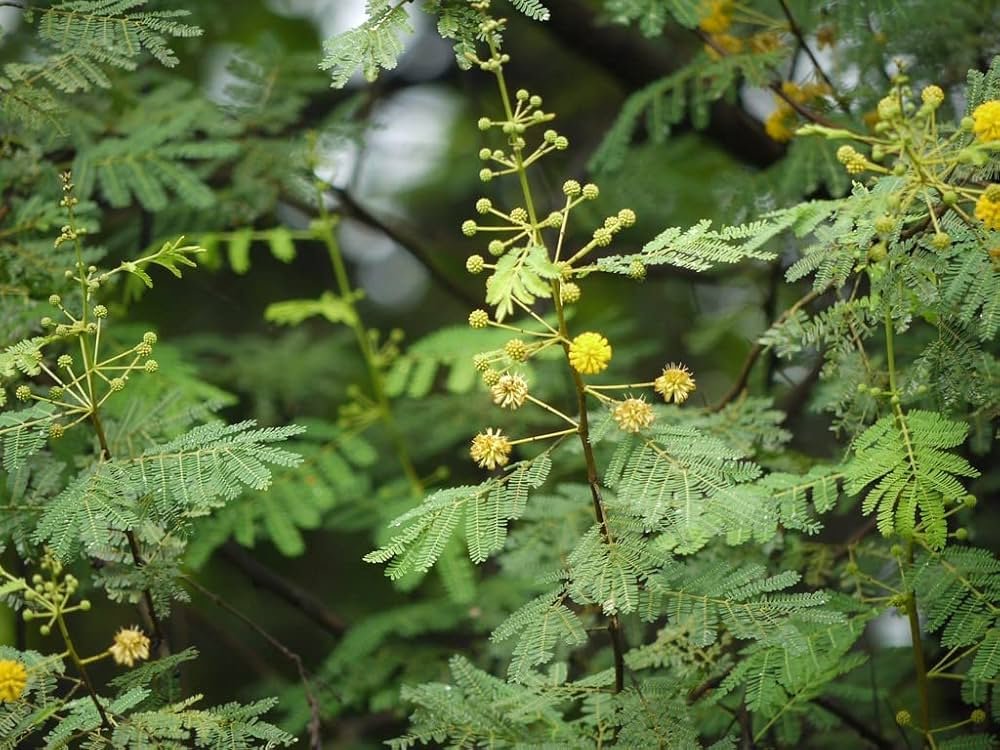
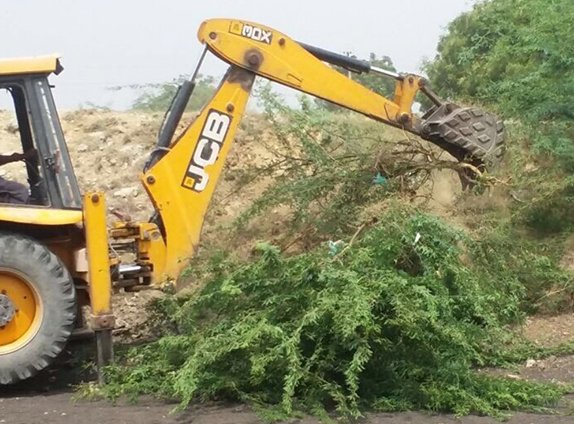
Babool Cutting

Burning in a Kon-Tiki Kiln
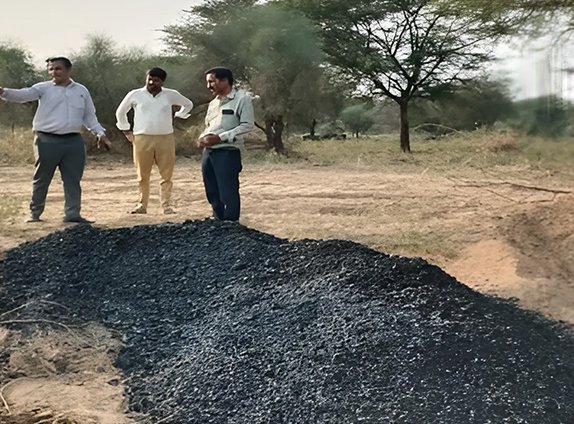
Biochar Output
Socio-Economic Impact
800+
Tonnes of agricultural waste converted into biochar
1,200+
farmers trained in biochar production and use
Local employment generation
Rehabilitation of farmland for agriculture and biodiversity restoration
Up to
3
tonnes of CO₂
per tonne of Babool biochar
The Babool Biochar Model
A circular economy model that benefits farmers, communities, industries, and the environment
Farmers
through land restoration and income
Communities
via local employment
The Climate
Through long-term carbon sequestration
Industries
Through access to verified carbon credits